

Relationship Course - How to Bring Your Partnership Back, Not Just Save It
You've probably seen this scene. Evening at home, quiet, just the gentle clink of a cup against its saucer. Two people at the table-once close, now almost strangers. Words seem stuck in their throats. There's no shouting, no tears-just a coldness that can't be called a storm. And the unspoken question lingers: can anything change at all when an icy wall has grown between you?
In my practice, this is the feeling most couples bring. When not long ago everything was vivid-laughter, infatuation, passion-and now there’s emptiness amidst endless routine. Tension, failed attempts to “talk,” grievances buried deep inside. Even those who were once truly happy find themselves on opposite shores. Is there another way out? I want to show what that might look like.
How Relationships That Seemed Eternal Quietly Fall Apart
Most families don’t end with dramatic door-slamming fights. It happens silently-sometimes that's even scarier. Divorce isn’t a single event; it builds from countless, quiet moments-suppressing feelings, exhaustion, the daily grind, when talking about anything real feels pointless or too risky.
According to VCIOM statistics, over a third of divorces in Russia are due to lost emotional connection. Almost another third relate to a constant sense of dissatisfaction in the relationship, even without infidelity or open conflict. Gradually, people get used to not seeing, not hearing one another.
I’ve watched disappointment build up for years. A man doesn’t share his work anxiety so as not to burden his partner. A woman keeps to herself that she craves tenderness or simply basic care. And talking about sex feels terrifying-what if they think badly of me, laugh, or reject me? Both partners pretend everything is fine, though inside they know it’s not.
This is where survival mode turns on: mundane conversations, dealing with chores, tiptoeing around any real issues. On the surface, things look “comfortable,” but it’s a life without real connection, without intimacy. At some point, the spark simply goes out. All that’s left is silence, draped over with old hurts and the fear of admitting to disappointment or loneliness-even in a full house. This cozy routine is the true enemy of intimacy.
We Aren't Born Knowing How to Be in a Partnership
We’re educated, we know math, but no one really taught us to talk openly about feelings and desires. Family habits usually teach silence-hide the hard stuff, avoid conflict, repeat what you saw growing up. Much of it runs on fear and the guilt of being “a bother.”
I see it: every couple carries their sore spots. Men often hesitate to ask for support, afraid of seeming weak. Women may feel ashamed of what they want sexually, worried they’re “too much” or “not enough.” Sex education comes from awkward conversations or internet clips, which are just images, not real experiences. When it comes to genuine intimacy, both partners freeze up, trust erodes even further. Sounds familiar: it feels easier to swallow your needs than risk honestly saying “I’m not okay.”
I’ve been there-believing it was better to quietly suffer than to bring up the subject that terrified us both. Bottling it up just doesn’t work in the long run. Sooner or later you catch yourself wondering: who is this next to me-a partner or just a “housemate”? Or maybe, no one at all?
This feels sharpest during the first real arguments. Suddenly, showing your dissatisfaction seems dangerous. “If I say this, I’ll be rejected!” That’s when walls are built, and tenderness and trust ebb away. Sex turns into an obligation, a checklist, rather than genuine joy and shared experience.
True Happiness in Partnerships Is Built, Not Found by Luck
People often think a happy family is a matter of luck-two compatible people meet and it just works. But experience tells me otherwise: long, happy relationships are built through daily effort. This isn’t about sacrifice or brutal discipline; it’s about learning skills-honest communication, dealing with wounds, being as real as you dare with yourself and with each other.
When couples give themselves permission to learn how to connect, something shifts. Not chasing an abstract ideal but developing a living skill: really listening, trying new things, analyzing what’s working or what’s hard-together. The dance of trust only starts when both partners dare to be open and vulnerable. That’s where grown-up relationships and deep intimacy are made.
Time and again, I’m amazed how a simple exercise uncovers so much. Ask your partner what they really want and, suddenly, you’re up against shame, defensiveness-even tears. That’s how hard honesty can be, even for couples together for years. But if you stick with that moment, if you stay together through it, a gentle warmth appears-a new kind of closeness.
For years now, I’ve seen couples become closer just because they finally dared to say out loud what they’d been too scared to even think. Sometimes, a single honest conversation is enough to bring back a closeness they’d thought was gone forever.
I remember a session where I asked a couple to just spend a couple of minutes silently looking into each other's eyes. At first, they glance away, embarrassment fills the space-and then, suddenly, there’s something alive: childlike trust that can’t be broken by criticism. After this, people often discover a new part of themselves, and finally talk about things they’ve kept hidden for years.
Even if it feels like you’ve hit a dead end, the way forward is always there-if you choose not to run from the pain, but to learn to bear it together.
Real Practice, Not Hollow Advice
I get it: for many, “relationship course” sounds kind of funny. Like sitting through another school lecture about “Rules for a Happy Family.” But true changes happen where there’s a safe space to practice-not just theorizing what “would be nice,” but taking real steps toward a new reality together.
The Feels.life platform was born from that exact idea. Here, every skill is practical-from the first tentative touch to deep conversations, even about subjects you’ve swept under the rug for years. The mentors who lead these sessions don’t preach-they create a field of experience, where mistakes and awkwardness are just normal steps in the process.
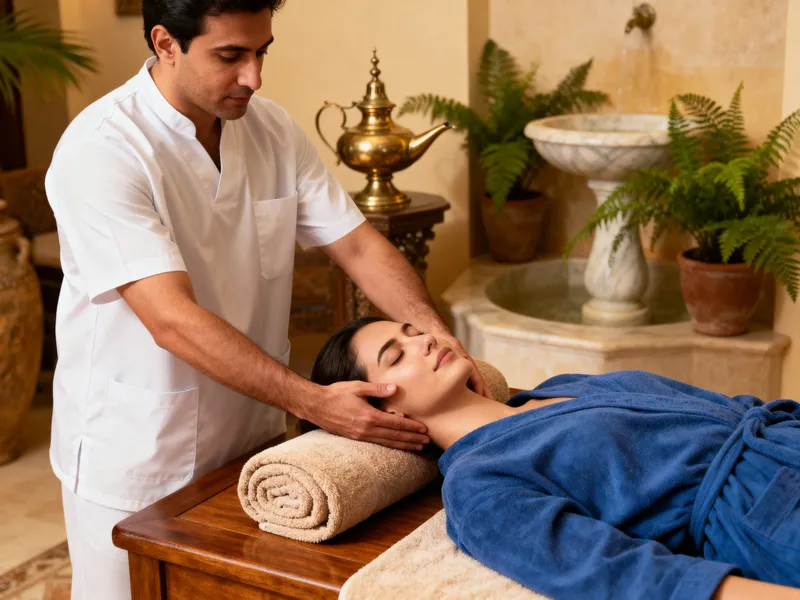
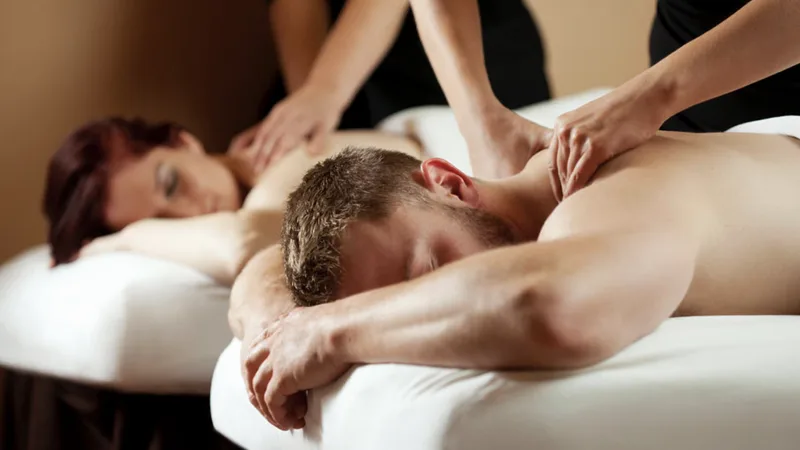
What do couples actually learn? To start with, simple things: try a massage together, practice gentle touch, ask your partner-what feels good, where are their boundaries? Next comes discussing intimacy without pressure or shame, sometimes through special exercises. The key layer is developing emotional intelligence-getting to know each other in new roles, learning not to get defensive when your partner confides pain or irritation.
The number of stories about stress melting away during courses is incredible. People stop competing to “be right” and start to feel like a real team. The relationship is restored not through sacrifices or punishments, but through genuine contact and shared reflection.
The platform is set up so progress is visible: from guided practices to feedback, ratings, and a record of the couple’s changes. Everything is transparent and straightforward; there’s no fantasy of “perfect relationships”-just real practice and honest sharing.
Why the Solutions Here Work-Not Just Empty Promises
One of today’s central relationship struggles is being unable to test someone’s intentions, never quite knowing who you’re building intimacy with. Couples are often haunted by past mistakes: betrayal, indifference, meetings that were never about genuine connection.
On Feels.life, this is addressed structurally. Each participant isn’t just a profile-they have a documented history, validated skills, completed courses, real feedback from others. Interactions are transparent; there’s no fear of running into more negative experiences. Everything is tried, tested, and visible within the reputation system.
I’ve seen for myself how much easier it is to be honest when you don’t have to guess your partner’s thoughts. An open line of communication changes everything: the fear of facing pain alone disappears. You can see the mature person in front of you, and their responsiveness isn’t imaginary-it’s real, shown in actions from personal practice to joint reflection.
There’s no need to play roles or fear embarrassment here. You can freely suggest something new, discuss nuances of sex, touch, and emotion. Not through pressure, but from a place of genuine curiosity. The “every one for themselves” script is gradually replaced by “we are partners and allies.”
Feels.life supports making your relationship real-before things reach painful crisis. Couples have hands-on experiences, learn to trust, stop fearing mistakes. Every step is designed to be safe, transparent, and grounded in actual results. People share detailed feedback, describing their journey-from where they started, to how they finally let go of old resentment, to how they rekindled passion or restored closeness.
You Don't Have to Turn Your Life Upside Down-Just Start Small
If you’re feeling drained or stuck on repeat, try giving yourself one more chance. Try an experience where there’s no pressure, but a new model of connection available. Signing up on the platform isn’t about weakness or admitting “everything’s bad,” but about the courage to give yourself permission to rediscover passion, trust, and the joy of learning together.
Don't wait for some magical transformation. Sometimes, all it takes is one small thing: trying a quick lesson, completing a simple exercise together, talking with your partner about what you've been quietly thinking for a long time. You’ll see-even small shifts can trigger a real ripple effect of change. Intimacy isn’t a given-it can always be rebuilt, step by step, every day.
Oleg Gebo - founder of Feels.life, certified sexologist, psychologist, bodywork practitioner. 18+ years of experience, 7,000+ happy women, 2,000+ students.



Comments
Log in to comment Log in
Loading...
Comments are moderated according to journal rules