

Men Don’t Want Relationships? Let’s Get Real About It
Somewhere in the endless stream of memes and social media, you keep hearing it: men supposedly don’t want relationships anymore. It’s become almost a running joke-after a couple of promising dates, he disappears: “I’m busy with work,” “I need to figure myself out,” “Not ready for something serious right now.” At first glance, it feels almost like a global conspiracy, mass exodus to bachelorhood. But when the initial emotions fade, it turns out things are far more nuanced. Behind the surface-level fatigue and detachment are different motives entirely. Let’s be honest: what’s really behind this stereotype, and why does it probably feel so familiar to you?
How Did We All End Up So Tired and Defensive?
If you turn down the social media noise for a minute, you’ll feel an atmosphere on the edge: men and women on opposite sides, accusations and mistrust everywhere. Women swap stories about dates that end in monologues about money and “providing.” Men respond with sarcasm: “Guess she’s after my wallet again.” Real conversation quickly gives way to mutual suspicion.
The internet and media only ramp up the drama-endless debates about the “relationship crisis,” “egotism on both sides,” and “everyone’s just out for personal gain.” Any sign of initiative is met with doubt: “Are they trying to take advantage of me again?” People increasingly feel as though no one needs them for real-as if everyone’s seeking a service, not a partner.
This exhaustion hits everyone hard. Women say, “I’m tired of hoping.” Men say, “All they see is what I can provide.” There’s a hidden fatigue under it all: you yearn for honesty and trust, but what you get is defense and disappointment. An ordinary conversation now feels like an exam-an endurance test where anyone could flinch first.
Given all this, it’s no wonder more men and women decide it’s easier to stay single. But is it a true choice from within-or just an attempt to avoid getting burned again?
Why "I’m Not Ready for Something Serious" Means Something Else
The truth? Men’s fatigue isn’t about relationships themselves. They don’t leave because they dislike closeness or being with someone. The real damage comes from being forced into roles where a man’s worth is measured in convenience, gifts, or ticking boxes. After a couple of dates, it often becomes crystal clear: you’re being evaluated not for your character, attention, or sense of humor, but on how well you match someone’s expectation checklist.
Increasingly, I hear men say, “I don’t want to be just a provider.” Sometimes it’s just fear-being used, being the wallet-in-transit. Especially for men who’ve already played the “you owe me, then goodbye” role.
Here’s the thing-most men aren’t afraid of responsibility. They want to care, to give, to be strong-as long as they sense kindness and genuine interest in return. But when everyone lines up to write them a list of obligations, there’s no space left for real connection. Exhaustion builds up from the old “you’re the provider, I’m the prize” cliches, where a relationship turns into negotiations over who gets what perks.
“More and more men admit in my sessions: ‘I don’t care if someone admires me for spending money on gifts. I’m much more interested in respect, laughter, and being supported when things get tough. I just want to be needed for who I am, not for my status.’ And behind the mask of ‘I don’t want a relationship’ you’ll often find exactly this hidden request: closeness without conditions and bargaining.”
Sometimes withdrawing into singledom isn’t running away at all-it’s reclaiming the right to just be yourself. Calm. Without risky games or trying to predict the next move. That’s what brings the readiness to open up again-if someone can truly see your worth.
The Shift: Consciousness Over Games

A new wave is rising: men who take their personal growth seriously. The days of needing to be “perfect for everyone” are fading. The focus now is, “What real value do I bring?”-not “How big should my first-date gift be?” Men are learning to communicate openly, to talk about emotions and problems, exploring embodiment and energy practices-not just for show, but because they crave authentic, deeper connection.
I see more and more of these men in my work. They’re moving beyond the mindset of “win at all costs.” They create new ways to bring joy, discover how to truly listen to women’s desires-and their own. What matters is not ticking off someone else’s list, but creating a new script for intimacy, where the role of “man” isn’t about subservience, but about being genuine and honest.
Even the question itself is changing: “Why do I want a relationship at all?” Now, men are more likely to ask, “Who do I want to impress, not with looks but with actions?” or “What do I want to experience together?” The old shame about imperfection is disappearing-now there’s real curiosity about sharing, talking honestly about fears, and trying new things.
“When the script of ‘you must be perfect’ is gone, connecting with someone becomes pleasure instead of pressure. No one’s afraid to be heard or to lose. The dialogue is honest-without masks. That’s when you really feel seen and valued for who you truly are.”
A new generation of men is arriving: not running from partnership, but looking for an equal. Not intimidated by strong women, and not settling for being just a “service provider” whose job is to fix someone else’s problems for a reward. Their motivation to grow isn’t about likes or approval, but because this is what real satisfaction feels like.
Why Tinder, Chats, and Classic Dates Barely Work Anymore
The classic dating platforms are increasingly a trap: behind a polished profile, it’s almost impossible to guess who the real person is. Even if you manage to meet, that “guess the motivation” game quickly becomes a marathon of disappointment. People are tired of the avatars and anonymity, where every date is a gamble.
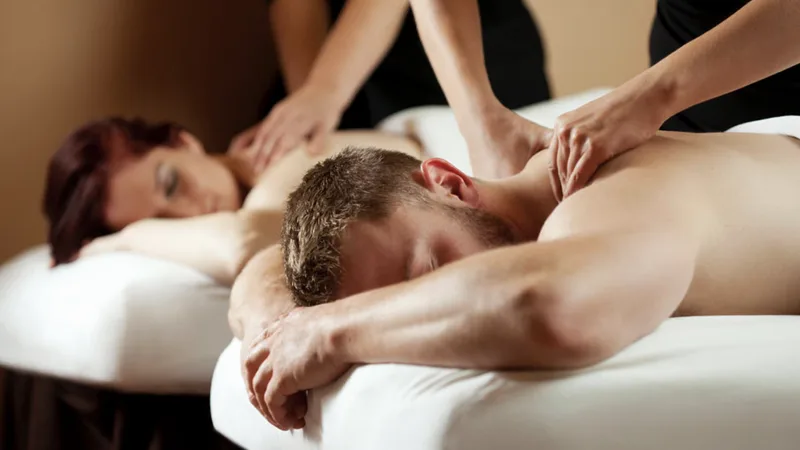
On Feels.life, there’s a different approach: a profile is a record of real skills, experiences, and actual practices. Did you take a massage workshop? That’s not just a checkmark-it actually shows what kind of real, practical interaction you offer. There’s a rating system, reviews, feedback from actual sessions, so you know who you’re dealing with before you meet.
Women see not promises but real steps. The fear that the person behind the profile is a player, or just out for a free ride, disappears. Men feel more confident-there’s no need to pretend to be someone you’re not. It’s easier to say, “Here’s what I can actually do, want to try it together?” The conversation starts with a real experience on offer-not a test or interrogation.
There’s no room for endless guessing or scams. Reputation is built on real practices. Want to meet a skilled massage therapist or try something new? It’s all out in the open, everything is clear. Reviews build your reputation, not fancy words or staged photos.
Connections become more alive-roles aren’t imposed, conversations are frank, things are calmer and safer. No more performance. Just space to show up as your true self-and that brings real relief.
What I See When Singles and Couples Try a New Approach

Month after month, I see how couples and singles who come to “just try it out” start changing-sometimes after just a few meetings. At first, there’s fear and mistrust: “What if it’s just like before?” “What if I’m not good enough?” “I don’t want to be used.” But after a month or two-something shifts. The tension is gone. Talking about wants becomes normal. Sharing anxieties-or even saying “no”-suddenly carries no guilt.
That old pressure to “be the best” just melts away. You don’t have to drag out endless chats, stressing over, “Will the meeting go well? Will I make a good impression?” Experience is built step by step, results show up quickly. This new kind of communication is a safe, honest space to be yourself-to agree in advance, set boundaries, and try something new. It’s more like a practice session, not a nerve-wracking exam with unknown results.
“People who were anxious and closed off begin to change before your eyes. They admit this is the first time they’ve been able to stay in contact-not out of fear of being abandoned or misunderstood, but just because it feels good to be together. The habitual fears dissolve, and new patterns of enjoyment and support emerge. When the foundation is genuine desire to be with someone (not checklists or evaluations), everything changes.”
Couples who were locked in routines and expectations open up more and more: honest conversations about desires, mistakes, old disappointments-and suddenly, the relationship starts fresh. Instead of trying to force yourself into some ideal, you get to “just be,” and actually enjoy connecting.
Being Honest Doesn’t Mean Rushing into Forever
In my work, I regularly hear: “Looks like real relationships are extinct, why bother trying?” But switching up your approach is actually pretty easy-if you allow yourself to break out of old patterns. On Feels.life, men and women quickly see: here, no one shames you for your desires, no checklists. Every step is your own. You can try on new roles, do a practice session, talk honestly, share anxieties. Instead of getting back “What’s wrong with you?” you sense genuine curiosity: “How did that feel for you? Want to do it again, or move forward?”
You can finally add a true description of your abilities to your profile, share your growth (not your status!) without embarrassment. Be open to experiences that have nothing to do with cookie-cutter dating, and everything to do with stepping together into a new territory of trust. No one promises a magic happiness formula here-but you do get honesty, respect, and the freedom to move at your pace.
All it takes is one step. I see it-lives shift: the anxiety fades, real conversations start, and when that background panic and awkwardness disappear-then real trust, real intensity, and true joy from closeness follow.
Oleg Ghebo - founder of Feels.life, certified sexologist, psychologist, and bodywork master. 18+ years of experience, 7,000+ happy women, 2,000+ students.




Comments
Log in to comment Log in
Loading...
Comments are moderated according to journal rules